
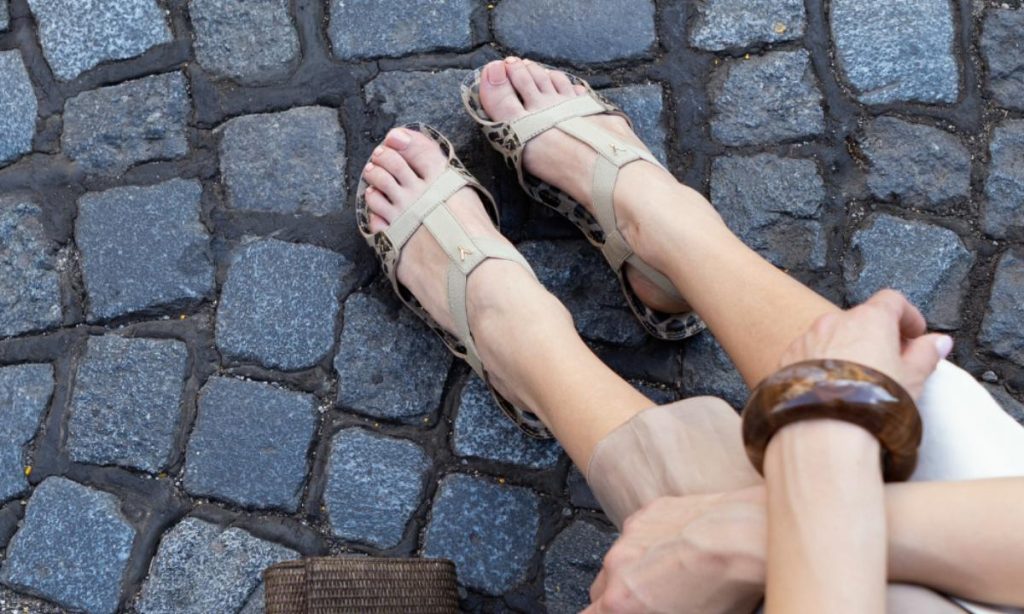
These days we choose footwear with our eyes. First we look at how a pair looks, then at what it costs, and comfort comes last. That order is worth reversing, because a comfortable pair works for you all day: it protects the health of your feet, and through them the posture of your whole body; we move more, and our minds are free for more important things than blisters.
In summer, comfort is worth the most. It’s warm and the days are longer, so we move and walk more than the rest of the year. On top of that, your feet do all that work in the heat, often in shoes that can’t breathe. So let’s go in order: what makes footwear comfortable, why summer is the biggest test for your feet, and how to choose a pair that supports you through an active day, whatever the conditions.
Table of Contents
What makes footwear comfortable
Comfort is the sum of small details. In the Yonso workshop that’s exactly where most of our time goes: natural leather that breathes and settles to the foot over time, hand-finished edges and seams, a footbed shaped to support, a strap that knows how tight it can be. We put special care into the comfortable women’s sandals in our collection, and today we’re sharing the tricks we learned along the way: here’s what to look for when choosing footwear.
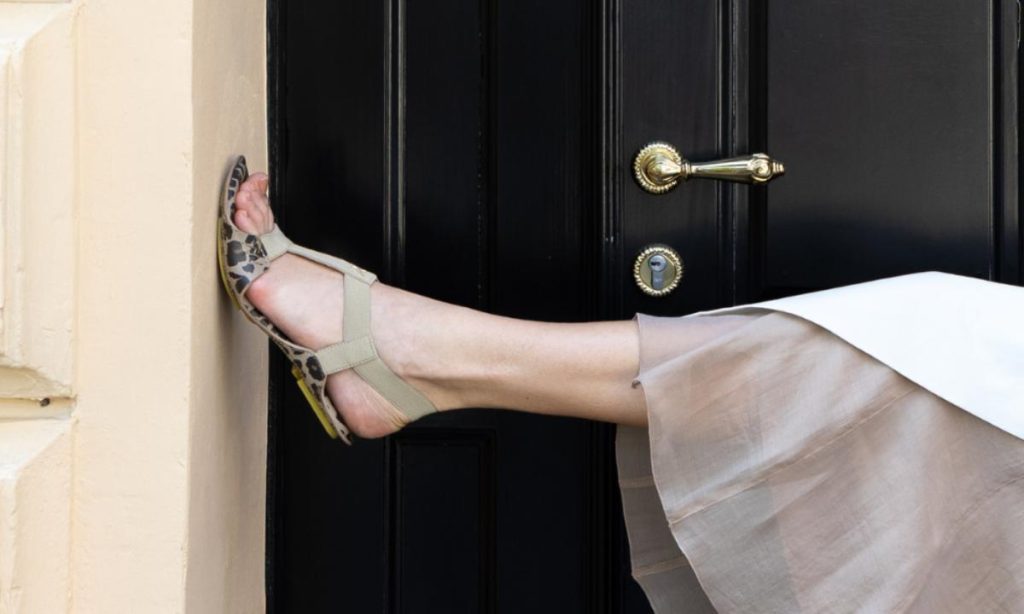
A shape that follows the foot
No two feet are the same, not even on the same person. Every foot has its own anatomy and shape, built up over years of walking, and footwear should adapt to it. Some people have wider feet, some a higher instep, and some people’s toes need more room across the width.
A comfortable pair is one whose outline matches yours, and you can check that in a minute: place your foot against the sole or insole and look from above. The outline of the sole should cover your whole foot, your toes stay inside the edges, and the widest part of your foot sits in the widest part of the pair. In a pair that’s too narrow, your toes run out of room, so they bunch up and overlap; first come blisters and numbness, and over the years bunions too. In shoes that are too wide, your foot slides around with every step, wasting energy on balance and ending the day more tired than it had to.
The right size
Shape goes hand in hand with size: even a pair with a perfect outline will let you down in the wrong size. The rule is simple: your whole foot fits on the footbed, with 6 to 12 mm of room in front of your longest toe. Too small a size pushes your toes into the edge and brings back all the problems above, while too big a size lets your foot slide, so your muscles stay working all day as you walk.
We’ve already set out the whole process, including how to read a size chart and the rules specific to sandals, in our shoe size guide. In short, measuring takes five minutes: paper against a wall, a pencil and a ruler, and do it in the evening, when your foot is at its largest after a full day. Compare the centimeters you measured with the chart of the brand you’re buying from, because the same size can mean a different length at two different brands.
A footbed that supports
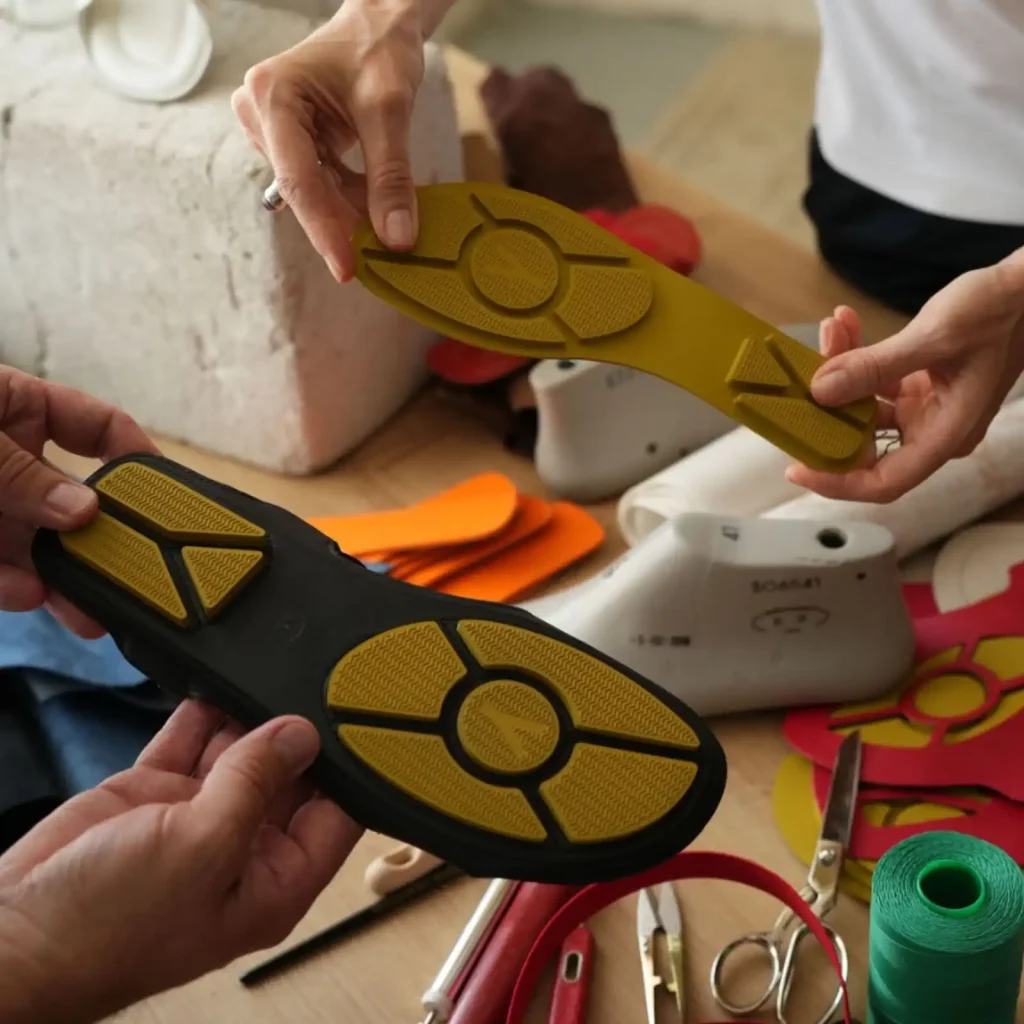
The footbed deserves most of the credit for comfort. Its job is to distribute your weight across the entire surface of your foot. To do that, the same rule we’ve already set applies: it adapts to the foot, so your heel settles into a shallow cup, your arch gets gentle support, and your toes get flat, stable ground.
When the footbed is flat and hard, pressure builds up in the heel and the ball of the foot, so your soles ache at the end of the day even though the pair doesn’t rub anywhere. With sandals, the footbed is also the most important part, because your bare foot rests right on it. Leather is the most rewarding material here: it breathes and, over time, remembers your exact footprint.
A sole that cushions
Every step is a small impact against the ground, and the sole is there to absorb it for you. A good sole bends where the foot bends, yet is firm enough to insulate it from hard ground. A paper-thin sole lets the asphalt have the final say, while one that’s too stiff won’t let your foot move naturally through the step.
Materials that breathe
A dry foot is a happy foot. Natural leather and breathable textiles let air circulate, so your skin stays dry.
That’s why the sandal wins in summer: it’s open by nature, and when it’s also made of natural leather, like Yonso models, your foot breathes from every side. If you’re not sure what the pair you’re looking at is made of, we’ve already written about how to recognize genuine leather before you pay.
Fastening that holds without squeezing
Strap, lace or Velcro, the job is always the same: your foot stays still in the pair, and the pair moves with you. The right measure is a balance: fastening that’s too tight leaves marks on your skin and tires your foot, while fastening that’s too loose lets your foot wander inside the shoe, which brings us back to friction, and sometimes twisted ankles. A well-adjusted strap isn’t even felt; it holds just enough for foot and pair to move as one.
Common mistakes and misconceptions
When choosing comfortable footwear, three beliefs do the most damage:
- Soft footwear means comfortable footwear. Wrong: a spongy footbed feels nice for the first half hour, but you lose the support and stability that all-day comfort requires.
- Shoes that rub will break in over time. Wrong: leather softens and settles to the foot, but the last stays the same, so a pair that rubs at the fitting will still rub a month later.
- Beauty requires sacrifice. Wrong: a comfortable pair and good looks go together; you just have to refuse to choose between them.
Summer is the biggest test for your feet
In summer, your feet change from hour to hour. In the heat, the body cools itself by widening blood vessels and sending blood to the skin, and gravity pulls some of that fluid down into the feet. That’s why your feet are wider and fuller in the evening than in the morning: a pair that fit just right at nine pinches at seven in the evening.
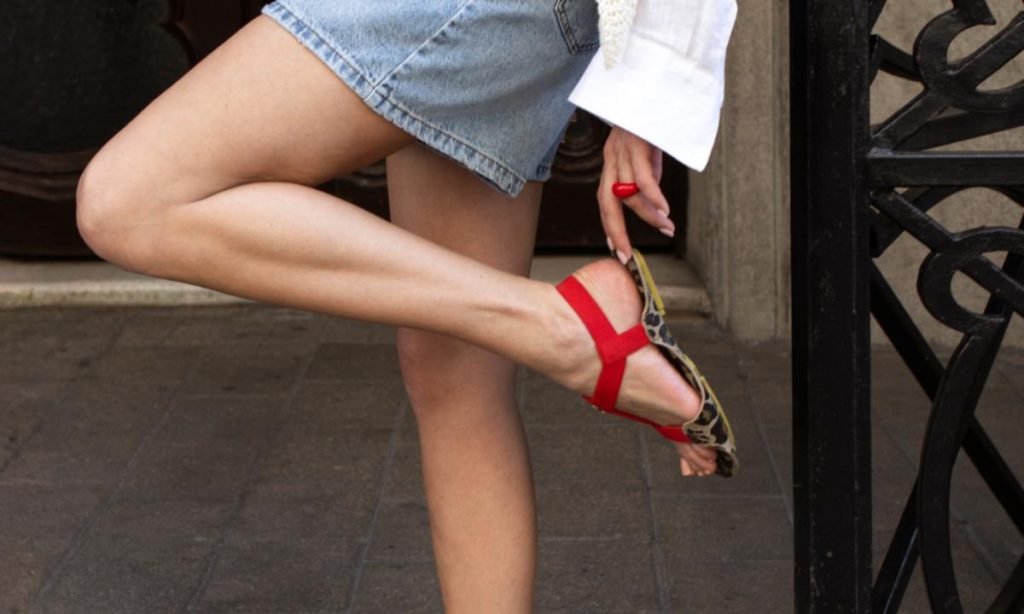
At the same time, your feet work hardest in summer. The days are longer, walks are more frequent, and you’re walking on hot asphalt. Feet also sweat in the heat, and sandals are worn without socks, so every seam and every edge comes straight into contact with bare skin. Construction details you’d never notice through a sock in winter make themselves felt within the first kilometer in summer.
So in summer, choose a pair that’s made for days like these. Yonso sandals pass this test on two counts: the leather footbed breathes even in the greatest heat, and the elastic straps expand and contract along with your foot, so they hold just as well in the morning as in the evening.
Footwear and foot health
The foot is the foundation of the whole structure. It contains twenty-six bones and more than a hundred muscles, tendons and ligaments, and the way it meets the ground determines what your knees, hips and spine do. That’s why bad footwear rarely stops at a blister: over time come pain in the arch and heel, a tired Achilles tendon, and eventually your back.
The good news is simple: most of these problems are prevented by a pair that gives your foot room, support and air, in the right size. That’s also the advice of podiatrists at Duke University: choose a wider, rounded toe area, alternate between open and closed shoes, and see a doctor about pain that doesn’t go away. Foot health is built through habit, step by step.
How to choose comfortable footwear for summer
Next time you’re choosing a summer pair, check these in order:
- Straps in two places. Across the instep and around the heel, so your foot doesn’t have to grip the pair on its own.
- A shaped footbed. A heel cup and arch support, ideally in leather.
- A sole that bends where the foot does. A quick in-store test: bend the pair at the front, and if it folds in half, put it back on the shelf.
- Natural materials. In summer it’s skin on leather, so make it genuine leather.
- Try them on in the afternoon. That’s when your foot is closest to its evening, summer size.
If your search starts now, all Yonso sandals in our collection tick every item on the list, from the shaped leather footbed to straps that hold without squeezing. They’re hand-stitched, in colors from calm cream to bold red, and made to work just the same next summer.
Summer is too long to spend counting the steps home. Choose a pair you’ll forget about the moment you put it on, let your feet think about the journey, and Yonso will take care of the rest.