
Summer can be harsh on footwear. Hot asphalt in the morning, sand in the afternoon, a sudden downpour in the evening, and all of it on the same pair of sandals that has carried you since your first morning coffee. Leather can take all of that. But it also remembers.
The good news: caring for leather footwear takes less time than drinking that morning coffee, and a pair you give those five minutes to will last you for years. All Yonso sandals are made from natural leather, hand-cut and hand-stitched, so we’ve learned its habits, whims and little secrets first-hand. This is the guide we’d most like to pack into every box.
Table of Contents
Why leather footwear needs care
Leather is a natural material and behaves like one: it breathes, absorbs and releases moisture, and adapts to your foot. That’s why it’s comfortable. That same nature means it needs replenishing over time, because leather that loses its natural oils loses its elasticity and starts to crack, first at the creases where it bends the most.
All of this, of course, applies to genuine leather. When the leather is genuine, care pays off many times over: instead of peeling after two seasons, the pair develops patina, softness and the shape of your own foot over the years.
Leather care products: what you really need
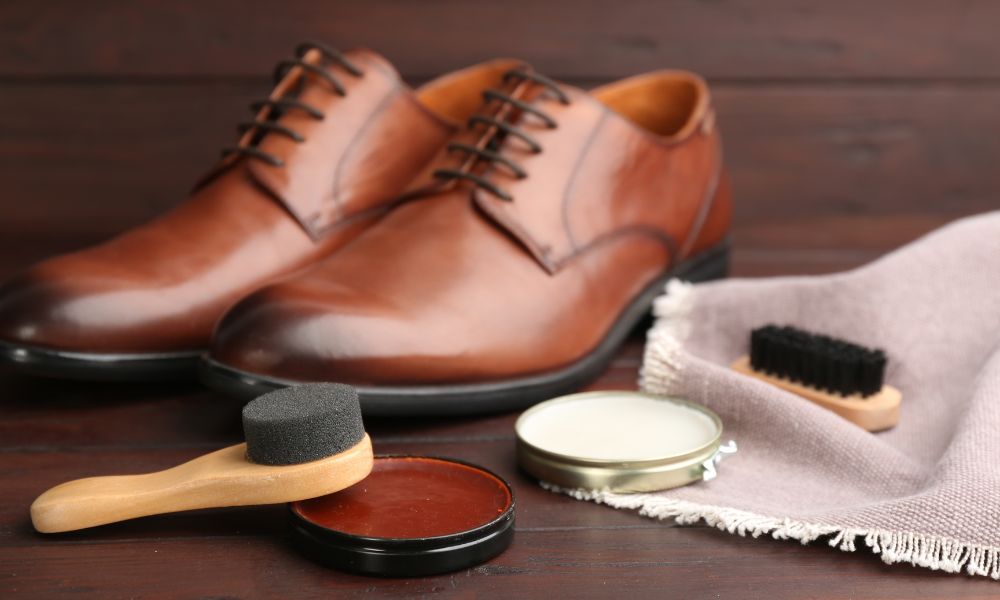
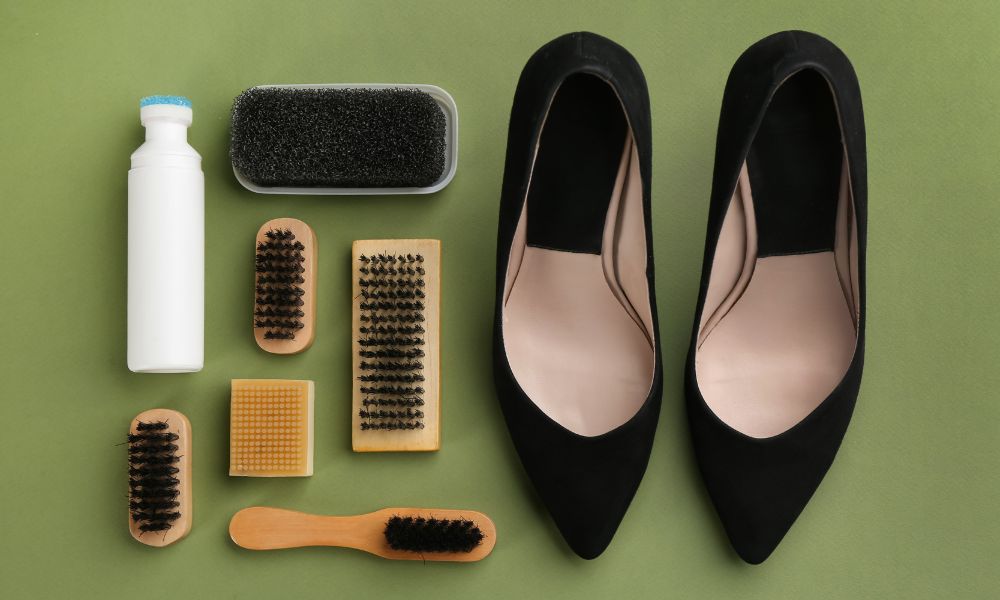
Leather care doesn’t take a full shelf, just a few dedicated products, each of which does exactly one job. Skip the home improvisations: leather has its own chemistry and responds best to what’s made specifically for it. Here’s what you need and how to use each one.
- Leather cleaner is a mild cleaning product made exclusively for leather, usually as a liquid soap or foam. Unlike ordinary soap and detergent, it doesn’t dry the leather out or strip its protective layer. Apply it with a soft cloth in a thin layer using gentle circular motions, then wipe with a clean damp cloth. It comes into play when a dry cloth no longer removes the dirt.
- Nourishing leather cream or balm is a thick blend of oils and waxes that restores the natural fats leather loses in sun and heat; without them leather becomes stiff and eventually cracks. Choose a colorless version, apply a thin layer in circular motions, leave it for at least two hours, then buff with a soft cloth. Use it when the leather looks dry and dull, after you get back from the seaside, and always before putting your sandals away in autumn.
- Leather protector spray is a protective spray that leaves an invisible layer on the surface that repels water, sweat and dirt, so stains don’t have time to soak in. Spray from about twenty centimeters away onto a clean, dry pair and leave it overnight. Use it at the start of the season and after every thorough cleaning.
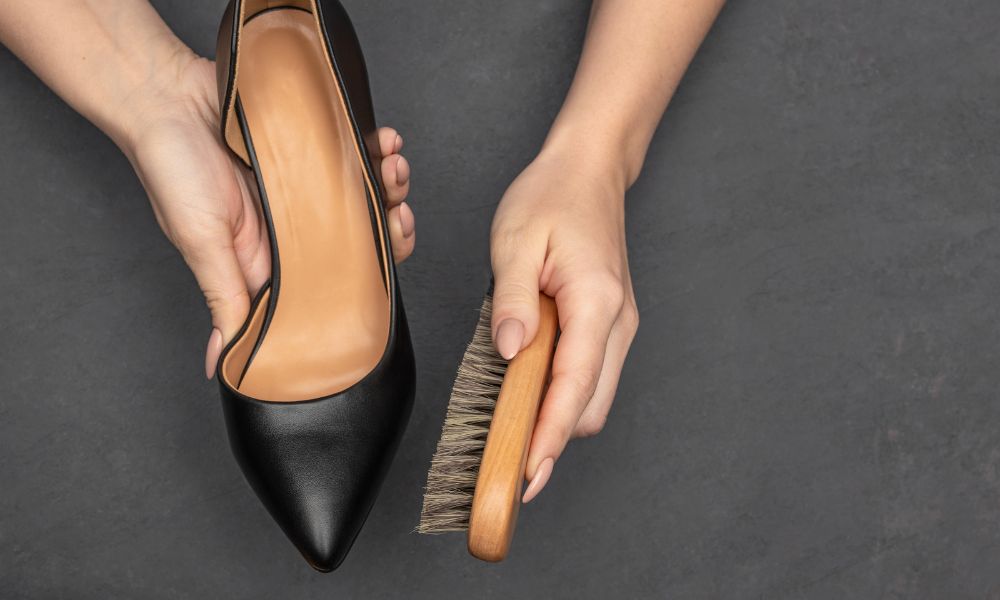
- A soft natural-bristle brush is the basic tool for dry cleaning: it removes dust and sand before they settle into the leather’s pores, and once the cream has set, you use it to buff the pair to a soft shine. Of everything on this list it’s used most often, ideally after every wear.
- A rubber brush for sanded leather is a small brush with rubber bristles made exclusively for suede and nubuck: it lifts flattened fibers and removes dried dirt, all without water. If your pair is sanded leather, this is practically the only tool you should bring near it.
- A cotton bag or cardboard box is the pair’s off-season home: it lets air through, so the leather keeps breathing while it waits for next summer, and dust and light stay out. Use it from autumn until the first warm days.
All of it fits in one drawer and costs less than a taxi ride in the rain. Leather care is a habit, not equipment.
Not all leather is the same: what each type likes
Before you apply anything to a pair, check what kind of leather you’re dealing with, because the same product can give opposite results on two types of leather. The label tells you the basics, and the surface tells you the rest: a smooth grain with tiny pores, a velvety nap, or a glossy coating. We’ve already written in detail about how to recognize genuine leather by its label and its feel. Here’s what each type likes.
Smooth natural leather
Leather with a natural grain and tiny pores is the most common type and the most rewarding to care for: it tolerates the whole arsenal from the drawer above, from cleaner and cream to protector spray, and it’s the only one that gets more beautiful with time. It’s what Yonso sandals are made from. We’ll go through the details of caring for this type of footwear in the rest of the article.
Sanded leather: suede and nubuck
A velvety surface that soaks up everything that comes near it. A short list applies here: a rubber brush after wearing and a dedicated spray for sanded leather, nothing more. Cream and wax are its worst enemies; they mat the fibers together and leave greasy stains that won’t come out.
Patent leather
Glossy lacquer and synthetic coatings let nothing through, so nourishing cream doesn’t do much for them. A damp cloth and the occasional dedicated patent cleaner are enough. In return, a pair like this will never develop a patina; that’s the trade-off you accept at the checkout.
Cleaning leather sandals after wearing
After wearing, wipe your leather footwear with a dry cloth to remove dust before it gets into the pores. When more than dust has built up, cleaning leather footwear looks like this: a barely damp cloth, a little leather cleaner, gentle circular motions, then straight away a dry cloth. Leather likes a frequent, short routine far more than rare deep cleans. Men are sometimes much more diligent about this routine: they choose a pair by how many summers it will last and regularly give it that minute of attention, so with that rhythm quality men’s sandals last for years, with no need to replace something that works.
Remember two things as law. Leather sandals are never submerged in water and never go in the washing machine, because water breaks down the glue and warps the straps. And sanded leather has its own rule from the previous section: brush only, no creams.
The leather footbed: where summer leaves its mark
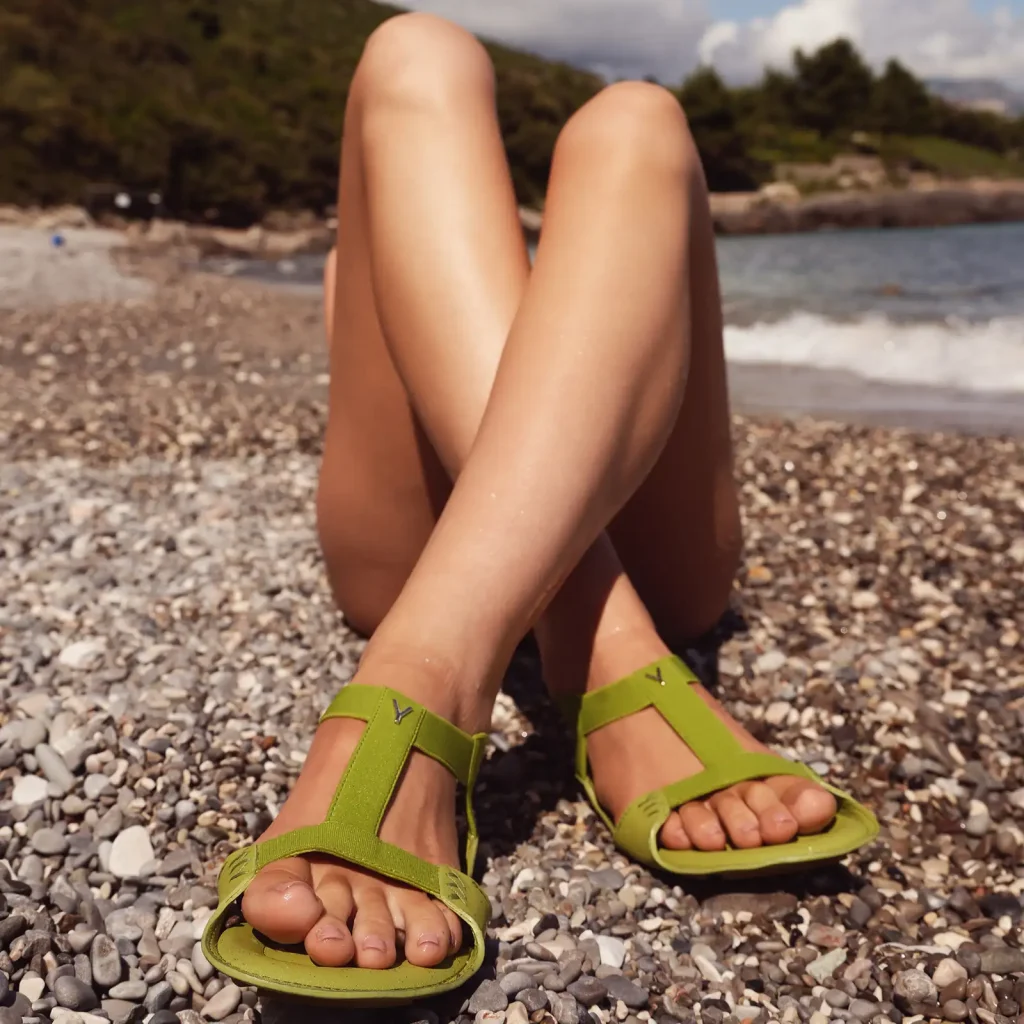
In summer, sandals are worn barefoot, and that’s where a story begins that winter shoe-care guides don’t tell. A leather footbed breathes and absorbs moisture, which is why your foot stays dry and why the Yonso sole is comfortable all day. That same property means that over the summer the footbed also absorbs sweat, salt and sunscreen.
How to clean toe marks and sweat stains from leather sandals
Dark toe prints on the footbed are normal, and they come off more easily than it seems. Put a little leather cleaner on a soft cloth and go over the footbed with gentle circular motions, without soaking it. Stubborn marks rarely disappear on the first try; repeat the process the next day instead of rubbing harder, because the leather on the footbed remembers a rough hand too. Finally, dry the footbed with a paper towel and leave the sandals to dry naturally overnight.
When odor appears
The best cure is prevention: after a full day of wear, let your sandals spend the night in the open air before they go into the wardrobe, and a day’s break between wears lets the footbed dry out completely. If odor still moves in, there are dedicated shoe fresheners; skip the kitchen remedies, more on those in the mistakes below.
Sun, salt, sand: when leather needs waterproofing
We protect winter shoes from rain and snow. Sandals have their own summer enemies. The first is the sun: direct sunlight dries out leather and fades its color, so sandals dry and rest in the shade, never on a terrace at midday. The second is sea salt, which draws moisture out of the leather; after a day at the beach, wipe the footbed and straps with a damp cloth the same day and let them dry naturally.
The third ally is cream. When the leather looks dry, or after every trip back from the seaside, apply a thin layer of nourishing cream and buff with a soft cloth. With lots of sun, leather needs feeding three to four times a year, more often than most people think. Last comes waterproofing: a thin layer of spray on a clean, dry pair, left overnight. After that, a summer downpour becomes an anecdote instead of a drama.
Off-season care for leather sandals: a box, paper, patience
When summer is over, give your pair a five-minute ritual: clean it, feed the footbed with cream, then put it in a cotton bag or a box where the straps lie loose, without twisting or stretching. The place to winter is a wardrobe with a stable temperature. Leather remembers attics, basements and plastic bags, and not fondly.
The most common leather care mistakes
More pairs are ruined by the wrong care than by neglect, so here’s a list of things leather doesn’t forgive:
- Soaking and the washing machine. Water breaks down the glue and warps the pair; leather is cleaned on the surface, never by bathing it.
- Drying on a radiator, with a hair dryer or in the midday sun. Sudden heat dries leather out and it cracks. A wet pair dries naturally, in the shade, however much of a hurry you’re in.
- Home remedies: vinegar, baking soda, alcohol. The internet loves them, but each one strips the finish or leaves an irreparable stain on some type of leather. What smooth leather survives, sanded leather won’t; products made for leather are the only safe bet.
- One cream for everything. On suede and nubuck, nourishing cream mats the fibers and leaves greasy marks, permanently.
- Plastic bags for storage. Trapped moisture is the shortest route to mold; leather winters in cotton or in a box.
Care that pays you back
A pair you care for looks more like yours every year: the patina deepens, the leather softens, the footbed remembers your step. Yonso sandals are made to last many summers, and care simply helps them meet each new one ready. Pamper them now and then, and they’ll repay you with elegance and comfort.